5 Simple Ways to Care for Tropical Plants at Home


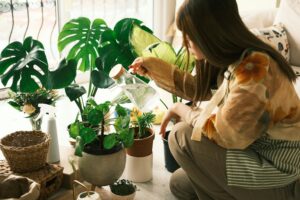
Tropical plants can bring fresh color, natural beauty, and a peaceful feeling into almost any home. Their bold leaves and unique shapes can transform an ordinary room into a relaxing indoor retreat. However, many people worry that tropical plant care is difficult. In reality, most tropical houseplants need only a few basic conditions to stay healthy. Once you understand their light, water, soil, temperature, and humidity needs, caring for them becomes much easier.
Learning how to care for tropical plants also helps prevent common problems like yellow leaves, brown tips, root rot, and slow growth. Each plant has slightly different needs, but many popular tropical varieties share similar growing conditions. With consistent attention and a few simple habits, you can help your plants grow stronger throughout the year. These five tropical plant care methods can create a healthier environment for your favorite indoor plants.
Give Tropical Plants the Right Amount of Light
Light plays a major role in healthy tropical plant growth. Most tropical houseplants naturally grow beneath taller trees in warm forests. Therefore, they often prefer bright but indirect sunlight instead of strong direct rays. A location near an east-facing or filtered south-facing window can work well. Sheer curtains can also soften intense sunlight. Plants such as pothos, philodendrons, peace lilies, and monsteras usually perform well under these indoor lighting conditions.
Watch your plants closely because their leaves often reveal whether they receive enough light. Pale leaves, weak stems, and slow growth may signal insufficient sunlight. Meanwhile, faded patches or dry brown areas may appear when strong sunlight burns the foliage. You can rotate containers every week or two so all sides receive balanced exposure. During darker seasons, moving plants closer to a bright window can also support healthy indoor plant growth without exposing them to harsh sunlight.
Water Carefully and Avoid Overwatering
Proper watering is one of the most important parts of tropical plant care. Many people assume tropical plants need constantly wet soil because they come from humid environments. However, wet soil can prevent roots from getting enough oxygen. This condition may eventually cause root rot. Instead of following a strict watering calendar, check the soil before adding water. Push your finger about one inch into the soil. If the upper layer feels dry, the plant may be ready for water.
When watering, pour slowly until excess water begins leaving the drainage holes. This method allows moisture to reach the entire root system. Always empty standing water from saucers afterward. Containers should also have drainage holes so extra moisture can escape. During winter, many tropical plants grow more slowly and need less frequent watering. By checking soil moisture before each watering session, you can maintain healthy roots while avoiding one of the most common indoor gardening mistakes.
Maintain Warm Temperatures and Healthy Humidity
Most tropical plants enjoy warm and stable indoor temperatures. Sudden temperature changes can create stress and damage delicate leaves. In general, keep tropical houseplants away from cold windows, air conditioners, heating vents, and drafty doors. A comfortable household temperature usually works well for many common varieties. However, placing plants directly beside heaters can quickly dry the soil and leaves. Stable conditions make it easier for tropical plants to maintain healthy and consistent growth.
Humidity is another important part of creating a tropical indoor environment. Heating and air conditioning can make household air much drier than tropical plants prefer. Brown leaf edges sometimes appear when humidity becomes too low. You can place several plants near one another to create a slightly more humid area. A room humidifier can also help when indoor air becomes very dry. Bathrooms and kitchens may naturally provide higher humidity, especially when they also receive enough natural light.
Use Well-Draining Soil and Feed Plants Carefully
Healthy soil supports strong roots and provides the foundation for long-term plant health. Tropical plants usually perform best in a loose, well-draining potting mix that allows both air and water to move around the roots. Heavy garden soil can remain wet for too long when placed inside containers. Instead, choose a quality indoor potting mix suitable for tropical houseplants. Materials such as perlite or orchid bark can improve drainage and create more air space around sensitive roots.
Tropical plants also need nutrients to support new leaves and steady growth. During spring and summer, many indoor plants benefit from a balanced houseplant fertilizer. Always follow the product instructions because excessive fertilizer can damage roots and cause leaf problems. Plants usually need less feeding during fall and winter when growth slows. Repotting may become necessary when roots fill the container or begin growing through drainage holes. Fresh soil and slightly more space can encourage healthier plant development.
Keep Leaves Clean and Watch for Plant Problems
Regular observation can prevent small plant problems from becoming serious. Dust often collects on broad tropical leaves and blocks some of the light they need. Every few weeks, gently wipe large leaves with a soft, damp cloth. Smaller plants can sometimes receive a gentle rinse. Clean leaves look better and allow you to inspect the plant for damage. While cleaning, check the stems and undersides of leaves for unusual spots, webbing, insects, or changes in color.
Common houseplant pests include spider mites, mealybugs, scale insects, and fungus gnats. Finding them early makes control much easier. Separate an affected plant from other houseplants while you address the problem. You should also remove dead or badly damaged leaves with clean pruning tools. Regular plant maintenance encourages neat growth and reduces places where pests may hide. Paying attention to small changes helps you respond quickly before a minor issue affects the entire plant.
Create a Consistent Tropical Plant Care Routine
Successful tropical plant care depends more on consistency than complicated techniques. Check your plants regularly instead of waiting until they show serious signs of stress. Look at the soil, leaves, stems, and overall growth pattern. Adjust watering, lighting, or humidity when conditions change. Seasonal changes can affect indoor temperatures and sunlight levels, so the same care routine may not work throughout the entire year. Small adjustments can make a noticeable difference in plant health.
With proper light, smart watering, good humidity, well-draining soil, and regular maintenance, tropical plants can become beautiful long-term additions to your home. You do not need advanced gardening experience to keep them thriving. Instead, learn how each plant responds to its environment and make gradual changes when needed. A thoughtful indoor plant care routine can support stronger roots, greener leaves, and steady growth while helping your tropical houseplants stay healthy and attractive year-round.