5 Simple Ways to Care for Tropical Plants Indoors


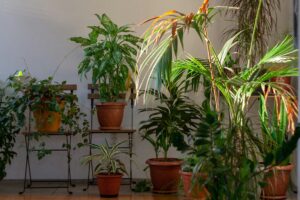
Lush greenery instantly enhances any indoor space, making it feel more alive and inviting. Tropical plants, known for their vibrant foliage and bold textures, are especially popular among plant lovers. However, keeping them healthy indoors requires a bit of attention and understanding of their natural environment.
Since these plants originate from warm, humid climates, they depend on specific conditions to flourish. Fortunately, with the right approach and a consistent routine, anyone can successfully care for tropical plants and enjoy their beauty year-round.
Provide the Right Amount of Light
Tropical plants generally thrive in bright, indirect sunlight. Placing them near a window where sunlight is filtered through curtains helps mimic their natural habitat. Direct exposure to harsh sunlight can burn their leaves, so it is best to avoid placing them in intense afternoon sun.
Different plants may have slightly different light needs, yet most tropical varieties prefer a balance. Therefore, observing how your plant responds to light is essential. If the leaves start to fade or develop brown spots, it may be getting too much sun. On the other hand, slow growth can indicate insufficient light.
Additionally, rotating your plants every few weeks ensures even growth. This simple step prevents one side from becoming leggy or uneven. As a result, your plants maintain a fuller and healthier appearance over time.
Water Consistently but Avoid Overwatering
Watering is one of the most important aspects when you care for tropical plants. These plants prefer consistently moist soil, yet they do not tolerate standing water. Checking the soil before watering is crucial, as overwatering can lead to root rot, which is difficult to reverse.
To maintain the right balance, water your plants when the top inch of soil feels dry. During warmer months, you may need to water more frequently, while in cooler seasons, less frequent watering is often sufficient. Therefore, adjusting your routine based on seasonal changes helps keep your plants healthy.
Moreover, always use pots with proper drainage. Excess water should flow out easily to prevent soggy roots. Over time, you will develop a better understanding of your plant’s specific needs, which makes watering more intuitive and effective.
At the same time, using room-temperature water is beneficial. Cold water can shock the roots, while lukewarm water keeps the plant comfortable. Consistency, along with careful observation, ensures that your tropical plants remain hydrated without being overwhelmed.
Maintain Proper Humidity Levels
Humidity plays a vital role in keeping tropical plants vibrant and healthy. Since indoor environments are often dry, especially during winter, increasing humidity helps replicate their natural surroundings. Without enough moisture in the air, leaves may develop brown edges or become brittle.
One effective way to boost humidity is by misting your plants occasionally. However, misting alone may not be enough for all varieties. Therefore, using a humidifier can provide a more consistent level of moisture, which supports overall plant health.
Another simple method involves grouping plants together. When placed close to one another, they create a microclimate with higher humidity. Additionally, setting a tray filled with water and pebbles beneath the plant pot can increase moisture in the surrounding air without overwatering the soil.
Furthermore, placing plants in naturally humid areas, such as bathrooms or kitchens, can also be helpful. By maintaining proper humidity levels, you ensure that your tropical plants retain their lush and vibrant appearance throughout the year.
Use Well-Draining Soil and Fertilize Regularly
The foundation of healthy plant growth begins with the right soil. Tropical plants require a well-draining mix that holds moisture while allowing excess water to escape. A combination of peat, perlite, and bark often works well, as it creates a balance between water retention and airflow.
Using the correct soil prevents common issues such as root rot and compaction. When roots receive enough oxygen, they grow stronger and support the overall health of the plant. Therefore, investing in quality soil is essential when you care for tropical plants.
In addition to proper soil, regular fertilization supports growth and vitality. During the growing season, typically spring and summer, feeding your plants with a balanced liquid fertilizer helps them develop strong leaves and roots. However, it is important to follow recommended guidelines to avoid overfeeding.
As the seasons change, reducing fertilizer use becomes necessary. In fall and winter, plant growth slows down, so excessive nutrients can do more harm than good. By adjusting your feeding schedule, you allow your plants to grow naturally without unnecessary stress.
Consistent care with soil and nutrients leads to long-term success. Over time, your tropical plants will reward you with lush foliage and steady growth, making your indoor space feel more vibrant and alive.
Keep Temperature Stable and Avoid Drafts
Tropical plants thrive in warm and stable temperatures, typically ranging between 65°F and 80°F. Sudden temperature changes can stress the plant, causing leaf drop or slowed growth. Therefore, maintaining a consistent indoor environment is essential.
Avoid placing plants near windows that get cold drafts during winter or near air conditioning vents in summer. These fluctuations can negatively affect plant health. Instead, choose a location where temperatures remain steady throughout the day.
Moreover, gradual changes are easier for plants to handle than sudden shifts. If you need to move your plant, do so carefully and monitor how it reacts. This approach helps prevent shock and keeps the plant healthy.
Additionally, keeping plants away from heat sources such as radiators or heaters is important. Excess heat can dry out the soil quickly and reduce humidity levels. By maintaining a stable temperature, you create a comfortable environment for your tropical plants to flourish.
Consistency truly makes a difference. When your plants experience minimal stress, they grow stronger and maintain their vibrant, healthy appearance over time.
Clean and Inspect Leaves Regularly
Keeping your plant’s leaves clean is often overlooked, yet it plays a significant role in their health. Dust can accumulate on the surface, blocking sunlight and reducing the plant’s ability to photosynthesize effectively. Therefore, gently wiping leaves with a damp cloth helps them stay clean and functional.
Regular cleaning also improves the overall appearance of your plants. Shiny, dust-free leaves enhance the beauty of your indoor space and reflect better care. As a result, your plants not only grow well but also look more attractive.
At the same time, inspecting leaves allows you to catch pests early. Common indoor plant pests include spider mites, aphids, and mealybugs. If left untreated, these pests can damage leaves and weaken the plant significantly.
By checking your plants frequently, you can address problems before they spread. Using natural remedies or mild treatments can help eliminate pests without harming the plant. This proactive approach ensures long-term health and prevents major issues.
Caring for tropical plants becomes easier when you stay attentive. With proper light, balanced watering, adequate humidity, and regular maintenance, your plants will thrive and bring lasting beauty into your home.