Bringing Paradise Home: A Complete Guide to Growing Thriving Tropical Plants


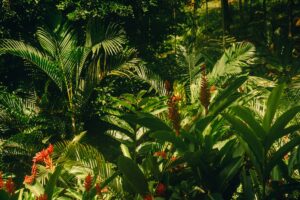
Tropical plants originate in warm regions where sunlight, moisture, and humidity remain consistent year-round. Therefore, successful cultivation begins with understanding their natural environment and recreating those conditions as closely as possible. These plants often display broad leaves, vibrant colors, and rapid growth, which reflect their adaptation to abundant resources. As gardeners observe these characteristics, they gain insight into proper care practices. Moreover, attention to seasonal shifts helps growers adjust light, water, and feeding routines. With careful observation and patience, tropical plants reward gardeners with lush foliage and dynamic growth.
Selecting Tropical Plants That Match Your Space
Choosing the right plants significantly influences long-term success. Some tropical species adapt readily to indoor environments, while others thrive in outdoor gardens with ample light and warmth. For example, philodendrons, peace lilies, and snake plants flourish indoors, whereas hibiscus, bougainvillea, and palms perform best outdoors. Additionally, gardeners should consider space availability, light exposure, and maintenance needs before making selections. When growers align plant preferences with environmental conditions, they minimize stress and promote healthy development. As a result, plants maintain strong growth patterns and vibrant appearance.
Providing Optimal Light for Healthy Development
Light plays a central role in the health of tropical plants. Most species prefer bright, indirect sunlight, which mimics the filtered light found beneath forest canopies. Therefore, placing plants near windows with sheer curtains or in partially shaded outdoor locations supports balanced growth. Furthermore, regularly rotating plants ensures even exposure, preventing uneven leaf development. When gardeners manage light effectively, they reduce the risk of leaf scorching and encourage fuller foliage. Over time, consistent light conditions lead to stronger stems and richer coloration.
Maintaining Warm Temperatures and Adequate Humidity
Temperature stability and humidity remain essential for the success of tropical plants. Most species thrive in consistently warm conditions and react poorly to sudden changes. Therefore, gardeners should protect plants from drafts, air conditioning vents, and cold weather. Maintaining humidity through misting, humidifiers, or grouping plants further supports healthy growth. Outdoors, natural humidity often provides sufficient moisture. When gardeners create warm, stable environments, tropical plants respond with vigorous development and resilient leaves.
Preparing Soil That Supports Growth and Drainage
Healthy soil forms the foundation of tropical plant care. These plants prefer nutrient-rich soil that retains moisture while allowing excess water to drain efficiently. Therefore, gardeners should use high-quality potting mixes enriched with organic matter such as compost or coconut fiber. Proper drainage prevents root rot and supports oxygen flow to roots. Additionally, loose soil allows roots to spread easily and absorb nutrients effectively. When gardeners invest in soil preparation, they promote long-term plant vitality and consistent growth.
Developing Balanced Watering Habits
Watering tropical plants requires thoughtful balance. Although these plants originate in moisture-rich environments, they still need proper drainage. Therefore, gardeners should water when the top layer of soil begins to dry. This approach ensures consistent hydration without oversaturation. During warm months, increased watering supports active growth, whereas in cooler seasons, reduced frequency is preferred. Additionally, using room-temperature water protects roots from shock. Through careful watering practices, gardeners maintain strong root systems and vibrant foliage.
Feeding Plants for Lush Growth and Color
Tropical plants grow quickly and require a steady supply of nutrients to maintain their lush appearance. Applying a balanced fertilizer during the growing season supports leaf development and overall vigor. Moreover, organic fertilizers improve soil structure and microbial activity, which enhances nutrient absorption. However, gardeners should avoid overfeeding, since excess nutrients can cause leaf burn and weak growth. During fall and winter, reducing fertilizer allows plants to rest naturally. With thoughtful feeding routines, tropical plants continue to display healthy color and vigorous growth.
Pruning and Grooming for Structural Strength
Routine pruning and grooming keep tropical plants healthy and attractive. Removing damaged or yellowing leaves improves airflow and reduces the risk of disease. Furthermore, pruning encourages branching and promotes fuller growth. Gardeners should use clean, sharp tools to ensure precise cuts and prevent infection. Regularly wiping leaves removes dust, improving photosynthesis and enhancing appearance. Through consistent maintenance, plants maintain strong structure and visual appeal. Over time, well-groomed tropical plants develop dense foliage and balanced form.
Protecting Against Pests and Diseases
Warm environments often attract pests, which require regular monitoring. Common pests include spider mites, aphids, and scale insects. Therefore, gardeners should inspect plants frequently for early signs of infestation. Prompt treatment with natural remedies or insecticidal soap prevents further damage. Additionally, maintaining proper airflow and sanitation reduces the risk of disease. Clean containers, healthy soil, and careful watering practices support plant resilience. Through vigilance and timely intervention, gardeners preserve plant health and prevent major setbacks.
Adjusting Care for Seasonal Changes
Seasonal awareness is key to long-term success with tropical plants. During spring and summer, increased light and warmth promote rapid growth, which requires consistent watering and feeding. In contrast, cooler months demand reduced watering and careful temperature management. Gardeners should also address indoor heating, which can lower humidity levels. By adapting care routines to seasonal conditions, growers support plant health and longevity. Ultimately, cultivating tropical plants becomes a fulfilling experience that blends patience, observation, and creativity, resulting in vibrant greenery and a welcoming living space year-round.