Thriving Indoors: Smart and Simple Ways to Care for Tropical Plants


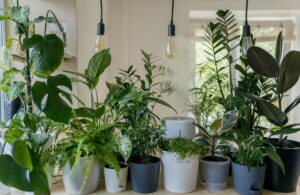
Tropical plants bring vibrant energy, lush greenery, and a calming atmosphere into any indoor space. These plants, often associated with warm climates and high humidity, can thrive beautifully inside your home when you understand their needs. Although they may seem delicate at first, caring for tropical plants becomes simple once you follow consistent, mindful practices. Moreover, creating the right environment helps these plants grow stronger, healthier, and more visually appealing over time.
As indoor gardening continues to grow in popularity, more plant lovers are turning to tropical varieties for their bold leaves and natural beauty. However, success requires more than occasional watering. Instead, you need to balance light, moisture, temperature, and nutrients carefully. By applying smart care strategies, you can transform your indoor space into a thriving tropical oasis while ensuring long-term plant health and growth.
Provide the Right Amount of Light
Light plays a critical role in the health and growth of tropical plants. Most tropical varieties naturally grow under forest canopies, which means they prefer bright, indirect light rather than harsh, direct sunlight. Therefore, placing your plants near a window with filtered light often creates the ideal environment. Additionally, rotating your plants regularly ensures even exposure and balanced growth.
On the other hand, insufficient light can slow growth and cause leaves to lose their vibrant color. For this reason, you should monitor how your plant responds to its location and adjust accordingly. If natural light becomes limited, especially during winter months, using grow lights can support consistent development. As a result, your plants will maintain strong foliage and continue thriving throughout the year.
Maintain Proper Watering Habits
Watering tropical plants requires careful attention and consistency. While these plants enjoy moisture, overwatering can lead to root rot and other serious issues. Therefore, you should always check the soil before watering and ensure the top layer feels slightly dry. This simple habit helps prevent excess moisture buildup and supports healthy root systems.
At the same time, underwatering can cause leaves to wilt or turn brown, which weakens the plant over time. To avoid this, establish a routine based on your plant’s specific needs and environmental conditions. Furthermore, using pots with proper drainage allows excess water to escape easily. By maintaining balanced watering habits, you create a stable environment that encourages strong and steady growth.
Increase Humidity Levels Indoors
Tropical plants naturally thrive in humid environments, so indoor air can often feel too dry for them. Consequently, increasing humidity becomes essential for keeping your plants healthy and vibrant. One effective approach involves placing a humidifier near your plants to maintain consistent moisture in the air. Additionally, grouping plants together can naturally boost humidity levels through collective transpiration.
Meanwhile, you can also use simple methods like placing a tray of water with pebbles beneath your pots. As the water evaporates, it increases the surrounding humidity without overwatering the soil. This technique works especially well in dry climates or during colder seasons when indoor heating reduces moisture levels. Ultimately, maintaining proper humidity helps prevent leaf damage and supports lush, tropical growth.
Choose the Right Soil and Fertilizer
Healthy soil provides the foundation for strong tropical plants. These plants prefer well-draining soil that retains moisture without becoming waterlogged. Therefore, using a high-quality potting mix designed for tropical plants ensures proper balance and root support. You can also enhance soil quality by adding organic matter, which improves both drainage and nutrient retention.
In addition, regular fertilization promotes active growth and vibrant foliage. During the growing season, feeding your plants with a balanced liquid fertilizer helps supply essential nutrients. However, you should avoid over-fertilizing, as it can damage roots and disrupt plant health. By choosing the right soil and maintaining a steady feeding schedule, you encourage continuous and healthy development.
Keep Temperature Stable and Comfortable
Temperature stability plays a vital role in tropical plant care. Since these plants originate from warm climates, they prefer consistent indoor temperatures between 65 and 80 degrees Fahrenheit. Therefore, you should keep them away from cold drafts, air conditioners, and sudden temperature changes that can cause stress.
At the same time, excessive heat can also harm your plants, especially if combined with low humidity. For this reason, maintaining a balanced indoor environment becomes essential. You can monitor temperature levels and adjust placement as needed to avoid extreme conditions. As a result, your plants will remain healthy, resilient, and visually striking throughout the seasons.
Clean and Monitor Your Plants Regularly
Regular maintenance helps tropical plants stay healthy and free from pests. Dust can accumulate on leaves over time, which blocks sunlight and reduces photosynthesis. Therefore, gently wiping leaves with a damp cloth keeps them clean and allows them to absorb light more effectively. This simple habit also enhances the plant’s natural shine and appearance.
In addition, monitoring your plants closely allows you to catch problems early. Pests, discoloration, or unusual growth patterns can indicate underlying issues. By addressing these concerns quickly, you prevent them from spreading and causing long-term damage. Ultimately, consistent care and observation ensure your tropical plants remain strong, vibrant, and full of life.
Creating a Long-Term Tropical Plant Care Routine
Building a consistent care routine helps your tropical plants thrive over the long term. Instead of reacting to problems, proactive care ensures steady growth and prevents common issues. By combining proper lighting, watering, humidity, and temperature control, you create an environment that closely mimics a plant’s natural habitat. As a result, your plants adapt more easily and grow more confidently.
Moreover, patience plays a key role in successful plant care. Tropical plants may take time to adjust to new environments, but consistent attention leads to noticeable improvement. Over time, you will develop a deeper understanding of your plants’ needs and behaviors. This ongoing learning process not only improves plant health but also enhances your overall indoor gardening experience.
Grow a Lush Indoor Paradise
Caring for tropical plants does not have to feel overwhelming when you focus on the essentials. By providing proper light, balanced watering, increased humidity, quality soil, and stable temperatures, you set your plants up for lasting success. In addition, regular cleaning and close observation help keep them healthy, vibrant, and visually appealing. Overall, this simple care routine also supports a healthy lifestyle by creating a more calming, refreshing, and naturally uplifting living environment.
In the end, tropical plant care becomes both rewarding and enjoyable when you follow the right approach. With consistent effort and attention, you can create a thriving indoor jungle filled with lush greenery and natural beauty. Not only will your plants flourish, but your living space will also feel more vibrant, fresh, and inviting every day.